






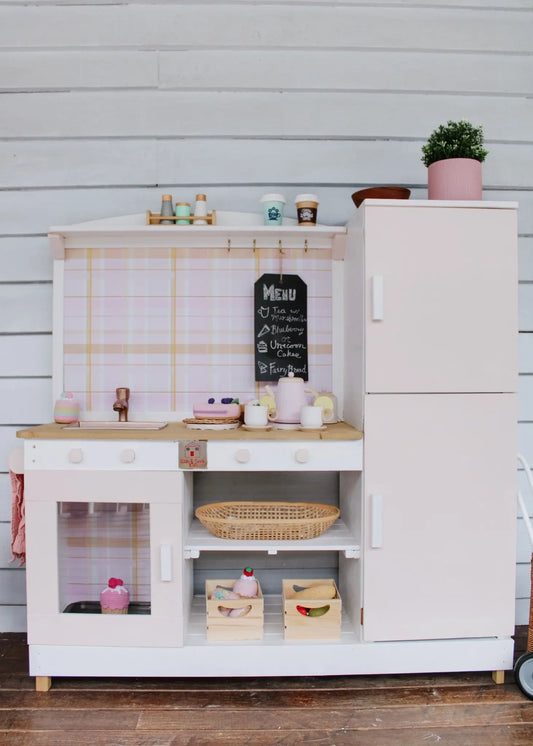

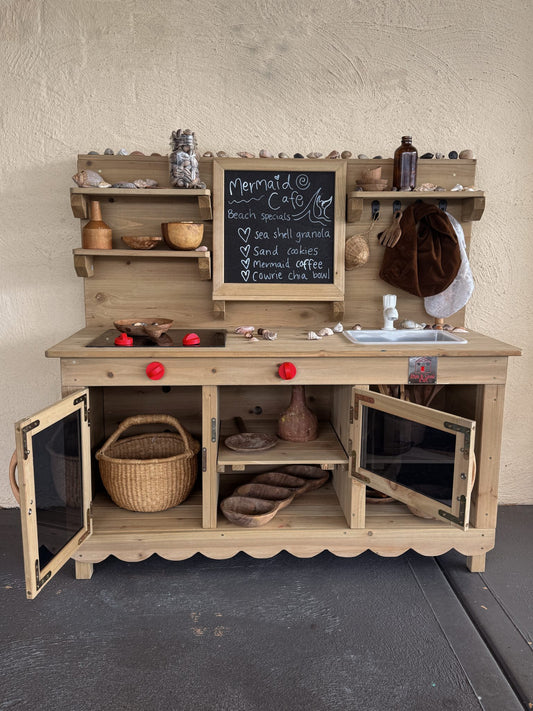
Why Mud Kitchens Deliver Essential Developmental Play
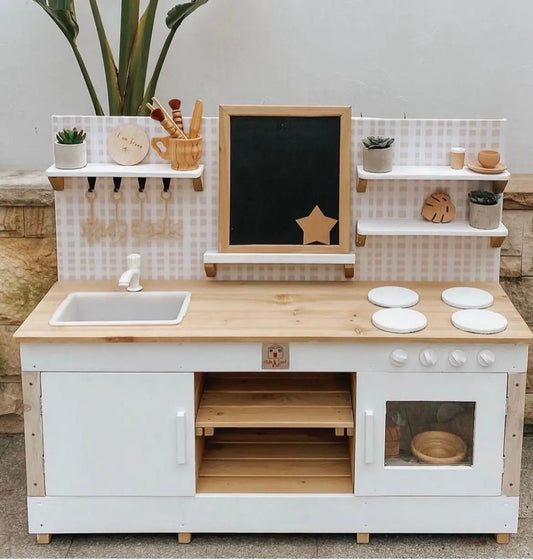
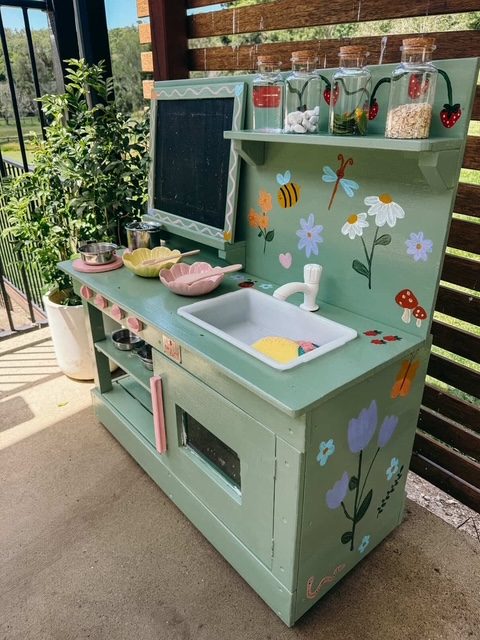
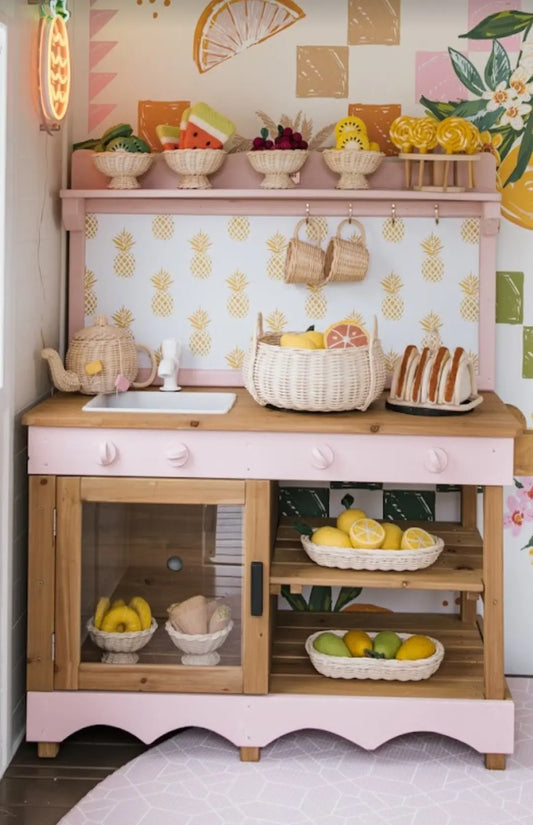
Mud kitchens aren't just for fun—they support critical childhood development. Kids mixing mud pies learn early science (textures, pouring, measurement). They develop fine motor skills through scooping and stirring. They engage in extended imaginative role-play as chefs, cafe owners, and restaurant managers. And they're outdoors, away from screens, connecting with nature and engaging in messy, creative play that builds confidence.
Open-Ended Play That Grows With Your Child
Unlike toys with single purposes, mud kitchens adapt to whatever children imagine. Toddlers fill pots with water and pour endlessly. Preschoolers serve mud pies at their cafe. Primary school kids write menus on chalkboards and run restaurants with friends. The simple structure invites endless creativity at every age.
Perfect Placement for Maximum Play Value
Position your mud kitchen near a garden tap for easy water access. Many families locate it near the cubby house (customers at the restaurant!) or combine it with a picnic table for outdoor cafe setup. The outdoor location means cleanup is easy—just hose it down.
---Find Your Perfect Mud Kitchen — Quick Comparison
| Model | Price | Key Features | Best For | Water Ready |
|---|---|---|---|---|
| Mud Kitchen Blackboard | $199 | Sink, shelf, chalkboard splash back | Starting out, small yards | Yes (tap hookup) |
| Mud Kitchen Standard | $199.95 | Sink, shelves, worktop | Growing families, active play | Yes (tap hookup) |
| Mud Kitchen with Fridge | $279 | Sink, shelf, fridge unit | Extended role-play, cafe setups | Yes (tap hookup) |
| Mud Kitchen Danny | $299 | Multi-sink, shelves, extended bench | Group play, outdoor cafes | Yes (tap hookup) |
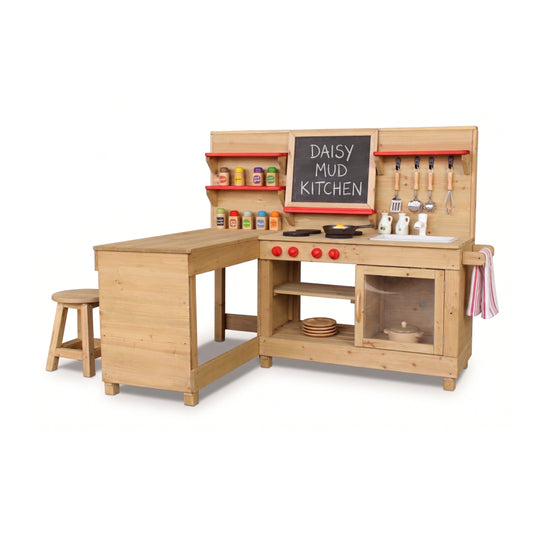
| Mud Kitchen Daisy | $359 | Double sinks, storage, extended features | Multiple kids, serious cafe play | Yes (tap hookup) |
All models feature plastic sink plugs compatible with standard garden hoses. Easy water setup means kids can run actual water for realistic play.
---Mud Kitchen Activities & Play Ideas
Sensory Exploration (Ages 18 months–3 years)
Fill the sink with water and let toddlers pour endlessly. Add mud, sand, leaves, and natural materials. Pouring, dumping, and mixing develop fine motor skills and teach cause-and-effect. Open-ended sensory play is therapeutic and calming.
Imaginative Cooking (Ages 3–6)
This is peak mud kitchen age. Children create mud pies, "cook" with natural ingredients (leaves, flowers, water), and serve meals to dolls, stuffed animals, or friends. They're learning kitchen concepts, improving language through imaginative play, and developing social skills through shared play.
Outdoor Cafe & Restaurant (Ages 5+)
Combine your mud kitchen with a picnic table to create an outdoor cafe. Use the chalkboard to write menus. Kids "cook" at the mud kitchen and "serve" at the table. This supports entrepreneurship, maths (pricing), reading/writing (menus), and extended social play.
Nature Exploration & Art (All Ages)
Use the mud kitchen to process natural materials: crush flower petals for "perfume," combine sand and water for "paint," arrange leaves into patterns. This teaches observation, process-based creativity, and respect for nature.
---Mud Kitchen Setup & Maintenance
Water Connection
All models feature plastic taps and sink plugs designed to connect to standard garden hoses. This takes 2 minutes: screw the hose onto the tap connector and your kids have running water. Many families run water for 30 minutes of outdoor cafe play on weekends, making it feel like a real restaurant.
Painting Requirements
All mud kitchens arrive in raw timber and require exterior paint for weather protection. This is especially important since mud kitchens experience frequent water exposure. Apply quality exterior timber paint (2 coats) before first use. Annual touch-ups maintain protection.
Seasonal Care
For winter or off-season storage, drain water from pipes and store the hose indoors. Cover the sink area if not in use for extended periods to prevent leaf debris. Drain standing water to prevent mosquito breeding in warmer months.
Sand & Maintenance
If you add a sand play area nearby, keep it covered when not in use. Sand in the sink/water area can be rinsed out easily with a hose. Simple scrubbing with a brush keeps the wood clean and fresh.
---Mud Kitchen FAQ
What age are mud kitchens suitable for?
Mud kitchens work for ages 18 months and up. Toddlers enjoy sensory water play. Preschoolers engage in imaginative cooking. Primary school kids run elaborate outdoor cafes with friends. The range supports play from late toddlerhood through age 10+.
Can I use a mud kitchen indoors?
Yes. Many families set up mud kitchens in laundries, playrooms, or covered entertaining areas. The water and mess aspect is the same whether inside or outside—just ensure good drainage and cleanup access. An outdoor location is easiest for mess management.
Do I need a garden tap nearby?
Not essential, but highly recommended. Without a tap, you'd refill the sink manually. With a tap connection, kids can run water all day during play, making the experience much more realistic and engaging. Most households have external taps.
What should I put in a mud kitchen?
Start with water and mud. Add natural materials: leaves, sticks, flowers, petals, sand. Keep it simple—kids will create elaborate meals with these basics. Avoid plastic toy foods or dishes; real (cheap) pots and utensils from op shops hold up better and encourage realistic play.
Can mud kitchens be used year-round?
Yes. In summer, water play keeps kids cool. In cooler months, add warm water for a cafe atmosphere. Mud kitchens actually get MORE use in winter as kids love outdoor "cafe" play in fresh weather.
---Create Your Outdoor Play Zone
Combine your mud kitchen with other outdoor equipment:
- Cubby Houses — Create a village with mud kitchen cafe next to cubby house homes
- Picnic Tables — Outdoor dining area where kids "serve" from the mud kitchen
- Swing Sets — Active play nearby for variety