












Why Premium Timber Cubby Houses Deliver Years of Play
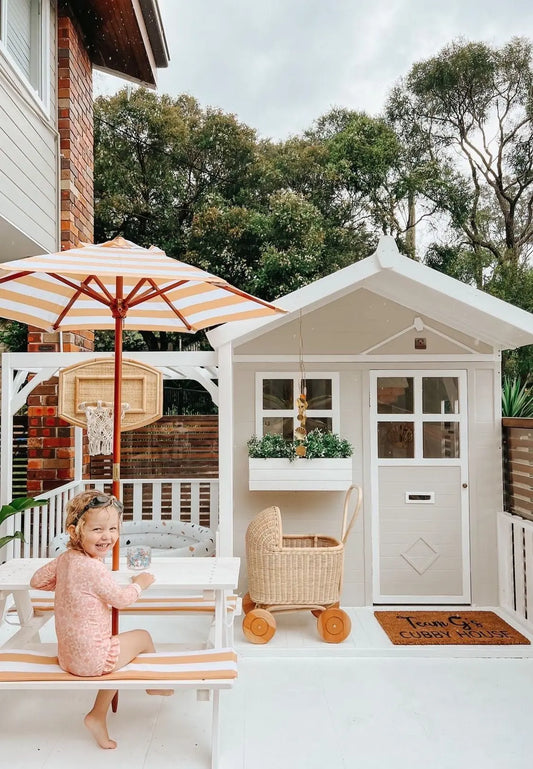
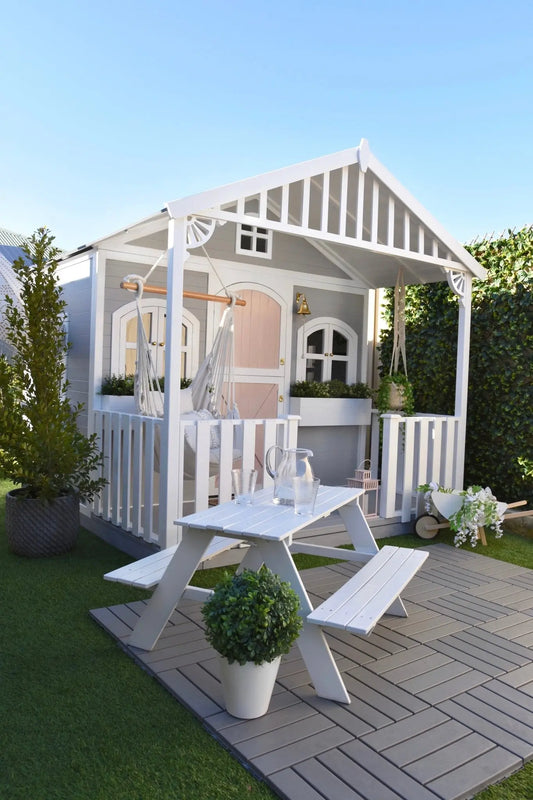
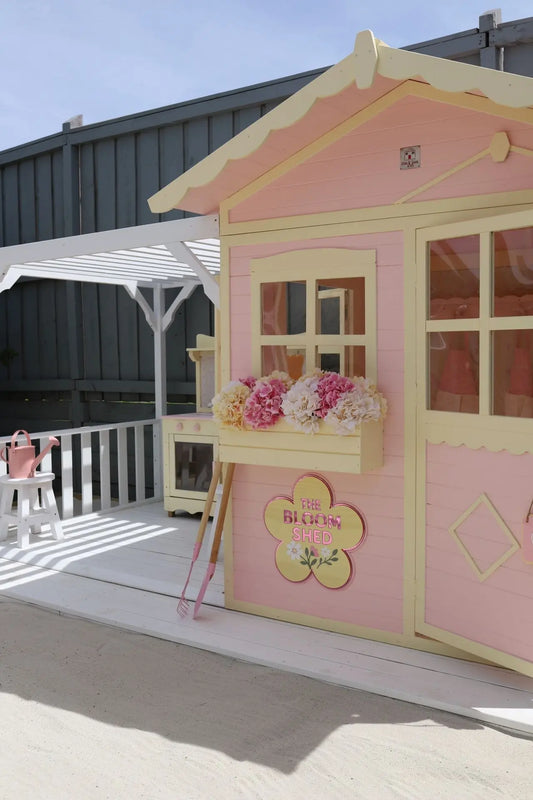
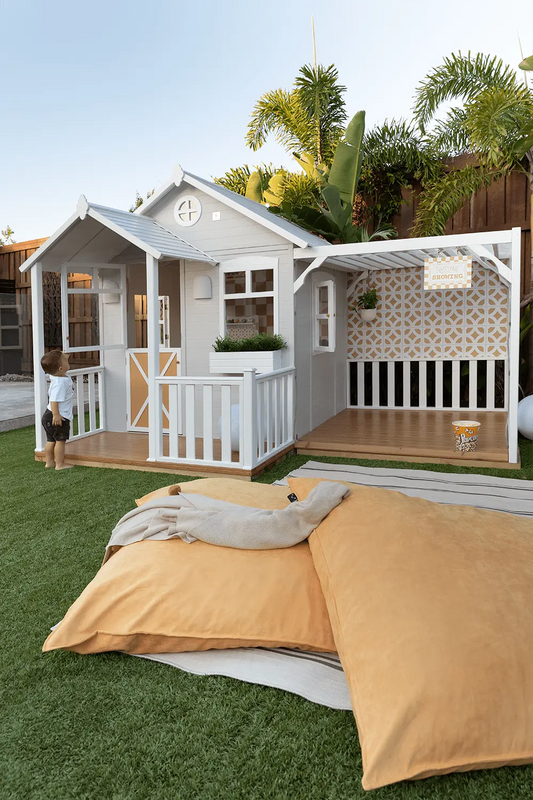
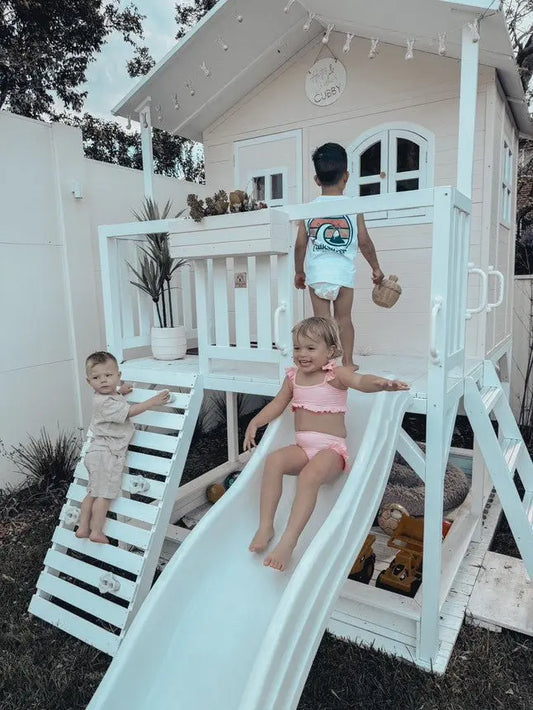
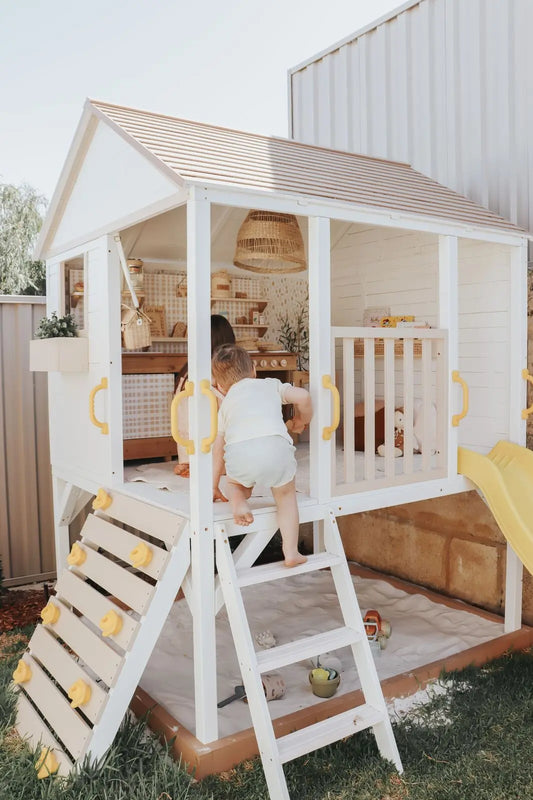
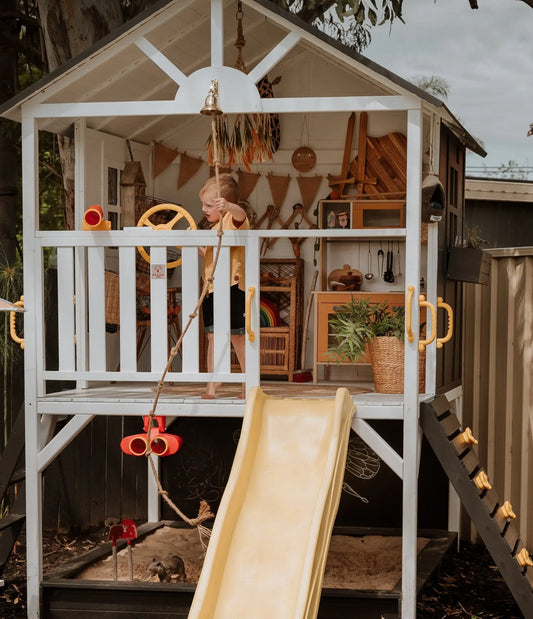
Our cubby houses combine durability, safety, and imaginative appeal. Each model features quality timber construction with smooth-sanded edges, prefabricated assembly for easier setup, and flexible sizing to fit any backyard. Whether you're looking for a cosy hideaway or an elevated fort with multiple activity zones, our range offers something for every family.
Quality That Lasts Through Every Season
Built to withstand outdoor conditions, our timber structures feature sturdy joinery and prefabricated panels that simplify assembly. With proper painting and maintenance using exterior timber products, your cubby house will provide reliable play space for years to come. The solid timber construction means repairs are straightforward if needed, and the simple design allows expansion as your children grow.
Safety-First Design for Peace of Mind
Every cubby house includes smooth-sanded edges, secure railings on elevated models, and thoughtful construction that prioritises child safety. Our designs are suitable for children aged 3 and up (with supervision), and each product page lists recommended age ranges and weight limits. All products meet Australian safety standards for children's outdoor play equipment.
Imaginative Play That Grows With Your Children
Cubby houses create dedicated spaces where children develop creativity, independence, and social skills. From tea parties and shops to secret hideouts and camping adventures, the open-ended nature of cubby house play means it remains engaging from early childhood through primary school years. Many families add accessories like slides, swings, or climbing walls to refresh play value as kids grow.
---Find Your Perfect Cubby House — Quick Comparison
| Model | Price | Size | Best For | Key Features |
|---|---|---|---|---|
| Arlo Cubby | $499 | Compact | Small yards, ages 3-6 | Door, windows, verandah |
| Herbie Cubby | $899 | Medium | Growing families, ages 3-8 | Verandah, multiple windows |
| Millie Cubby | $999 | Medium/Large | Group play, ages 3+ | Elevated design, space underneath |
| Frankie Grand Cubby | $1,399 | Large | Multiple kids, ambitious builders | Multi-room, elevated platform |
| Marlie Cubby House | $1,999 | Extra-Large | Showstopper designs, ages 3-12 | Multi-level, extensive features |
Prices from our current range. All models require painting for durability. Assembly takes 1-4 hours depending on size. See FAQs below for more details.
---How to Choose the Perfect Cubby House for Your Backyard in 2026
Step 1: Measure Your Available Space
Before falling in love with a design, measure your backyard carefully. Cubby houses range from 1.2m × 1.5m (Arlo) to 3.5m × 3m+ (multi-level models). Allow at least 2 metres of clearance around all sides for safe play and maintenance access. Ground cubby houses need a level timber base (not direct soil), while elevated models maximise space by allowing play underneath.
Quick tip: Take a photo of your yard and sketch the approximate footprint of your desired cubby on it. This helps visualise how it will look and confirms you have adequate space.
Step 2: Choose Based on Your Children's Ages
Ages 3-5 (Toddlers/Preschool): Start with compact ground-level cubbies like Arlo or Henry Hideout. These have low entry points, minimal climbing, and feel secure for younger children. Avoid elevated models with ladders until kids are confident climbers.
Ages 5-8 (Primary School): This is the sweet spot for elevated forts and multi-level designs. Kids at this age enjoy climbing, sliding, and imaginative group play. Models like Millie, Frankie Grand, or Billie Grand are perfect — they grow with your child and offer multiple activity zones.
Ages 8+: Older kids appreciate ambitious designs with slides, climbing challenges, and space for friends. Multi-level forts like Marlie or Rusty Fort keep them engaged through upper primary school years.
Step 3: Decide Between Ground or Elevated
Ground Cubby Houses sit directly on a timber base at ground level. Best for: smaller kids, smaller yards, easier assembly. Examples: Arlo, Herbie, Henry Hideout.
Elevated/Fort Models raise the play platform on legs. Best for: maximising space (play underneath), older kids (ages 5+), yards with uneven terrain. Examples: Millie, Matilda, Frankie Grand.
Step 4: Set Your Budget
Our range spans $349–$1,999 to suit different budgets. Remember: this is a multi-year investment in outdoor play. A $999 cubby house works out to reasonable monthly cost over many years. Consider:
- Budget for painting ($100–200 in exterior paint)
- Base materials for ground cubbies ($200–400 in timber sleepers)
- Optional accessories (slides, swings, climbing ropes)
- We offer lay-by payment plans to spread costs
Step 5: Customise With Accessories
Most families start with the core structure and add accessories later as budget allows. Popular add-ons include:
- Slides & climbing features
- Rope swings and climbing ropes
- Letterboxes, shutters, flower boxes (decorative)
- Sandpits and water play zones
Many families combine their cubby house with a mud kitchen or picnic table to create a complete outdoor play zone.
Pro Tips for Choosing
- Check backyard exposure: South-facing yards stay cooler (good for hot Australian climates). Position your cubby to provide shade in afternoon.
- Drainage: Avoid low-lying areas prone to water pooling. Elevated models work better on sloping terrain.
- Wind exposure: Exposed yards may need staking or anchoring for larger models.
- Neighbour proximity: If you're in a small/medium suburban block, check local council regulations (most don't require permits for cubbies under 10m²).
- Warehouse pickup: Brisbane-based? You can arrange pickup from our Geebung warehouse. Contact us for pickup options.
Cubby House FAQ
Do I need to paint my cubby house?
Yes. All cubby houses arrive in raw timber with minimal protective coating. Painting with quality exterior timber paint is essential for protection in Australian weather and for warranty coverage. Most customers apply paint during assembly weekend, choosing colours to match their backyard. This is an easy DIY project—follow the grain and apply 2 coats with 24-hour drying between.
How long does assembly take?
Most cubby houses take 2–4 hours for two adults working together. Prefabricated panels simplify the process compared to building from scratch. All hardware and step-by-step instructions are included. Many families make it a weekend project with children "helping" alongside.
What base does a ground cubby house need?
A solid, level timber base using sleepers or decking boards. The base must be completely level and square—even small unevenness causes panels to misalign and doors to stick. Avoid pavers, bricks, or mulch, as these shift over time and allow moisture underneath. A proper base costs $200–400 in materials and prevents problems long-term.
How long will a cubby house last?
Longevity depends on maintenance and climate. With proper painting, sealing, and annual care, your cubby house can provide reliable play value for years to come. The biggest factor is keeping the timber sealed and protected from weather. Many families pass them on to younger siblings or cousins.
Are cubby houses safe for toddlers?
Ground-level models (ages 3+) with adult supervision are safe for toddlers. Elevated models with ladders are safer from age 5+ when children have better climbing confidence. All designs use smooth-sanded edges and sturdy railings. Each product page lists specific age recommendations.
Can I add a swing or slide to my cubby house later?
Yes. Many families start with the basic structure and add accessories as budget allows. Swings and climbing features can be added to most models. However, swings cannot be attached directly to cubby house frames—they must be standalone structures positioned nearby to avoid dangerous leverage forces on the cubby structure.
Do I need council approval?
In most Australian areas, cubby houses under 10m² don't require development approval. However, regulations vary by council and state. Always check with your local council before installation regarding setbacks and height restrictions. Better to confirm first than have issues later.
---Create the Ultimate Backyard Play Zone
Pair your cubby house with complementary products to maximise outdoor play value:
- Cubby House Add-Ons — Slides, climbing ropes, sandpits, letterboxes
- Swing Sets & Climbing Forts — Position separately alongside your cubby (not attached)
- Mud Kitchens — Perfect companion for sensory play next to your cubby
- Picnic Tables — Outdoor dining and activity spots for the play zone